

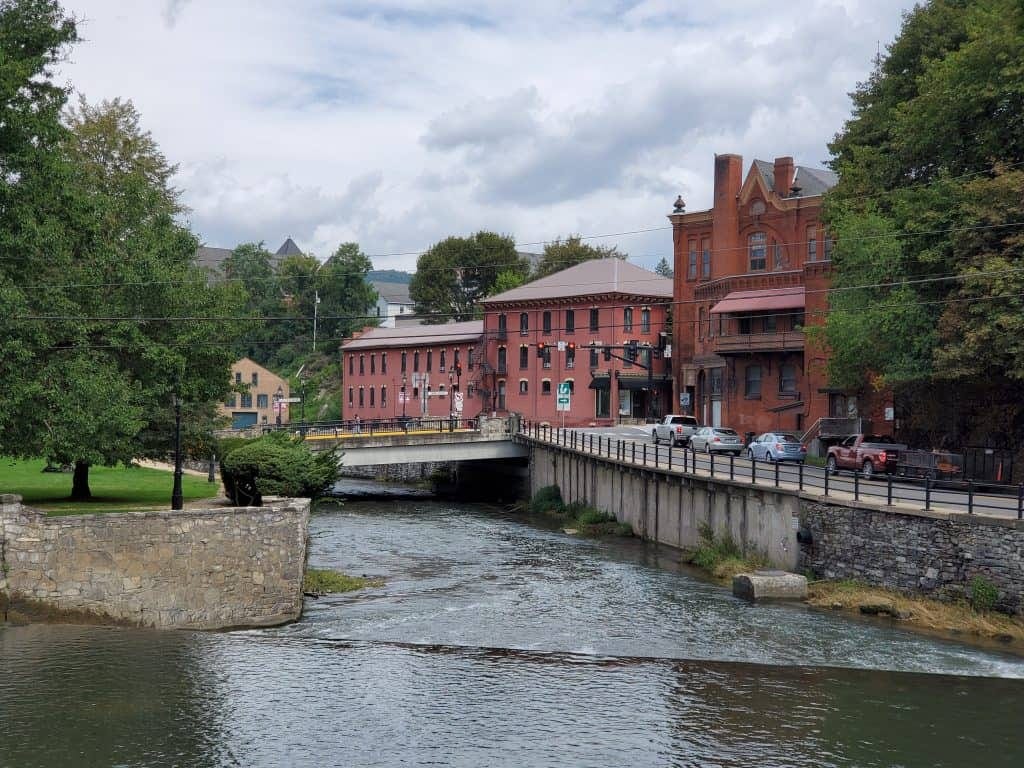
It’s an area of rugged foothills, limestone valleys, and dense forests. They occupied a canyon that separates the Appalachian Plateau from the ridge of the Appalachian Mountains.
The primary reason why this locale managed to escape the most dire consequences of the economic crash was the presence of the Pennsylvania State University. That institution provided both jobs and financial stability to those who lived and worked nearby, even through the depth of the Depression.
Somewhat later, a husband-wife team of newspaper columnists began referring to State College, the town where Pennsylvania State University is located, as the “Happy Valley.” That name stuck.
I recently visited the community and other nearby towns and returned home with an understanding of why Happy Valley is an apt title and description.
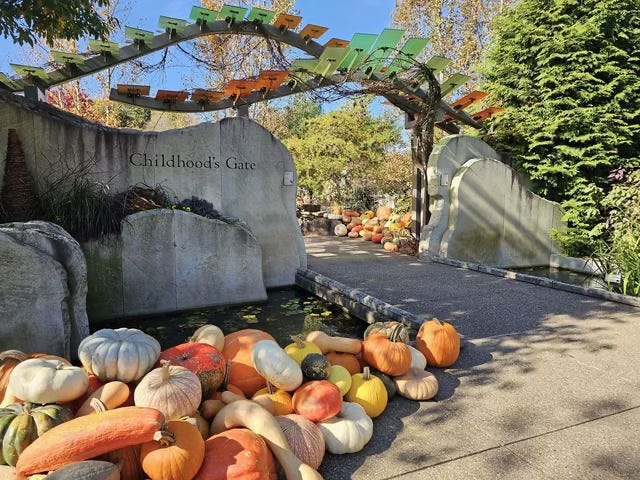
Penn State’s Art, Arboretum, and more Penn State offers a unique atmosphere characterized by youth, vibrancy, and culture.
Founded in 1855, it enrolls about 90,000 students each year and has 20 campuses throughout Pennsylvania, including its main site, University Park, adjacent to downtown State College.
The university and its surrounding grounds themselves offer an inviting choice of attractions. One is the collection at the Palmer Museum of Art. It spans centuries and represents a diversity of cultures, from American and African creations to works on paper.
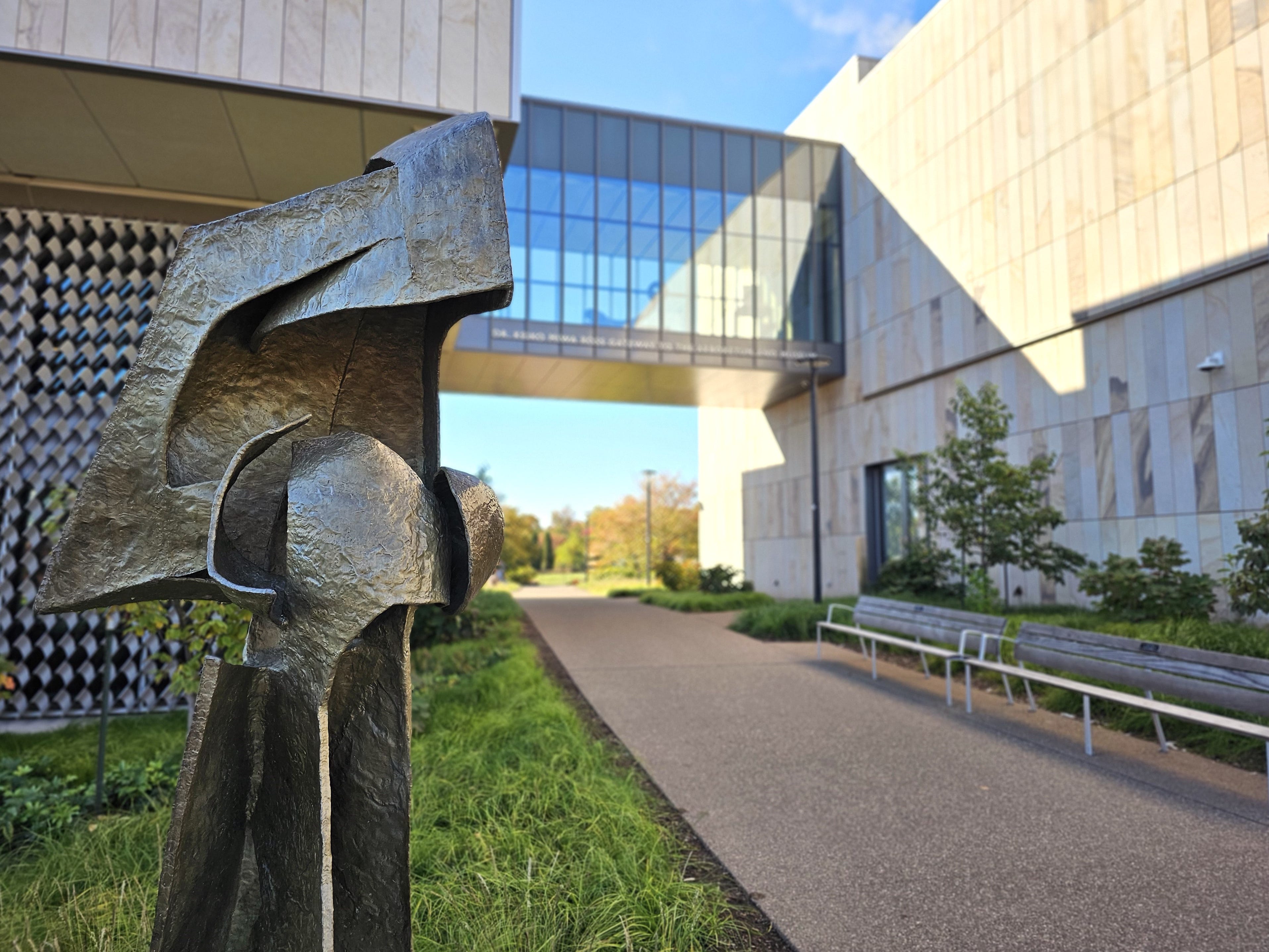
The Museum is situated within The Arboretum at Penn State, a lovely, curated landscape that seamlessly blends art, architecture, and nature. Among its many features are 10 acres of garden spaces, 14 acres of rolling meadows, colorful seasonal plantings, sculptures, and gentle walking paths over which to explore the site.
Nearby, outdoor art turns the entire downtown heart of State College into an outdoor museum. A downtown Art Walk trail features 40 murals, sculptures, statues, stained glass and other works.
Treats for the Taste Buds in Pennsylvania’s Happy Valley
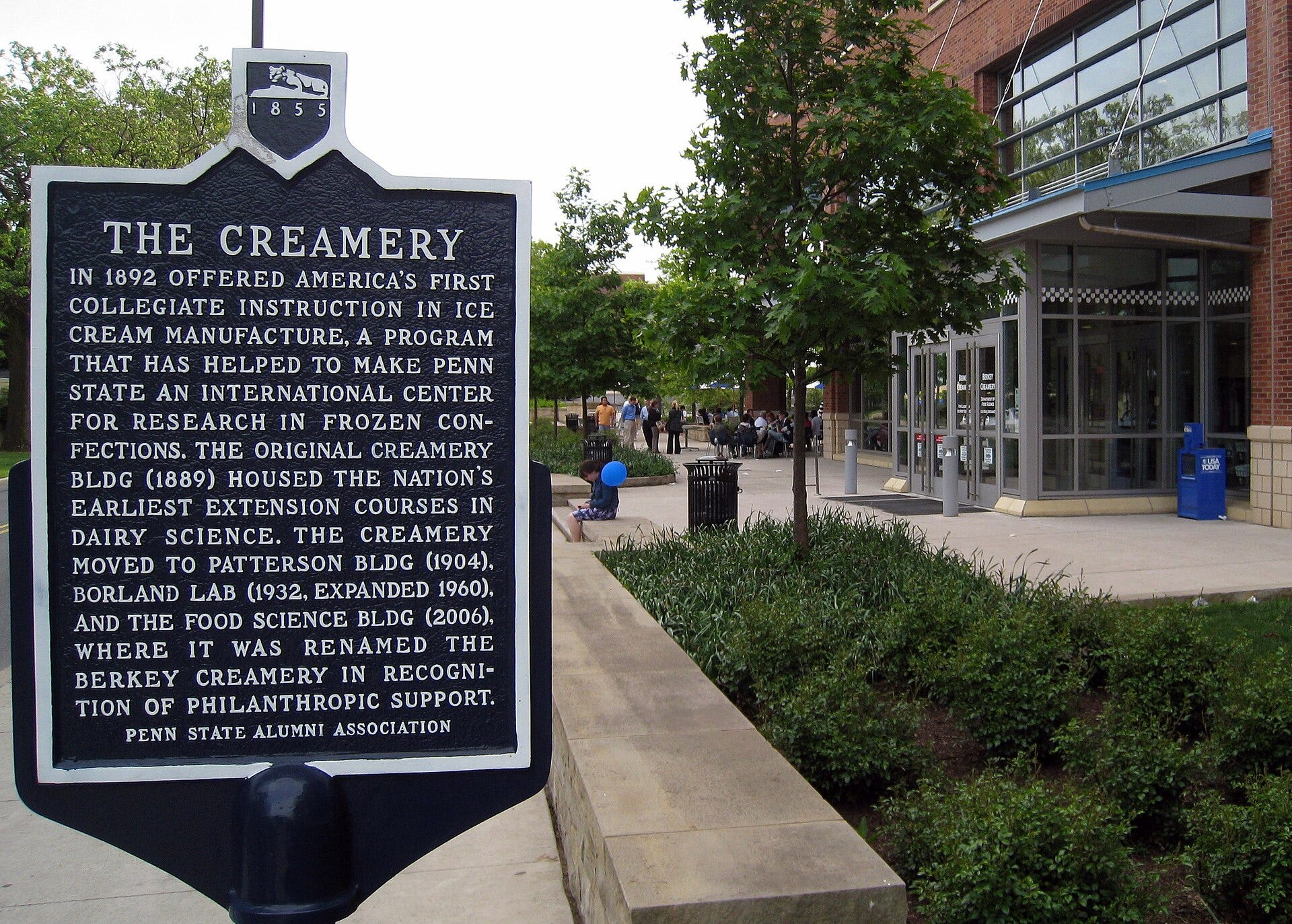
Treats for the taste buds rather than the eyes are served up at the Penn State Berkey Creamery, the largest university ice cream maker in the United States. The milk which is used comes from university cows and agricultural students contribute to making the delicious dessert. Among rotating flavors are some unusual choices like White Out, Monster Mash and Peachy Paterno, named after the university’s long-time football coach.
Those dairy delights hint at the variety of field-to-fork foods which add to the destination’s appeal. Amish family farms provide beef, cheese and produce that are raised and grown with loving care.
The Heirloom Farmer offers milk, muffins, honey and more, harvested from nearby fields. The history of the Way Fruit Farm dates back to 1872, when 1,000 apple trees were planned, and it continues under ownership of the sixth generation of the original owner’s family.
Museums recount history in the Happy Valley of Pennsylvania
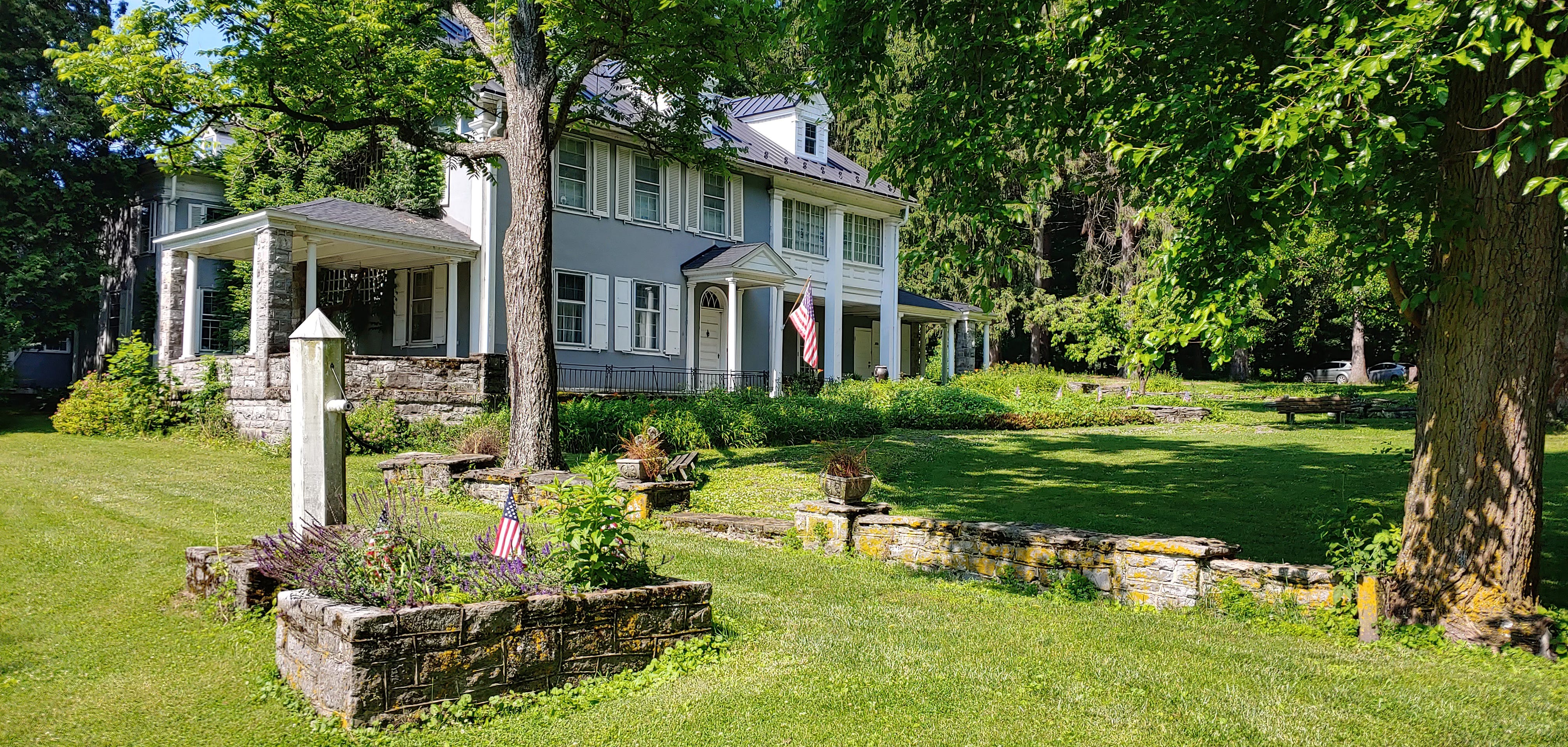
History also lives in museums, which recount various chapters of the area’s story. Iron-making began in Pennsylvania as early as 1720 and evolved into a key industry due to the abundance of high-quality iron ore, limestone, and trees. While advances in technology led to the closure of most iron furnaces in the late 19th century, I was immersed in the heyday of that industry at the Eagle Iron Works and in Curtin Village. The story of how the region’s leading industry came to be is told there through hands-on demonstrations and walking tours. The Curtin Mansion engulfs visitors in the genteel ambiance of an upscale Federal-era manor house.
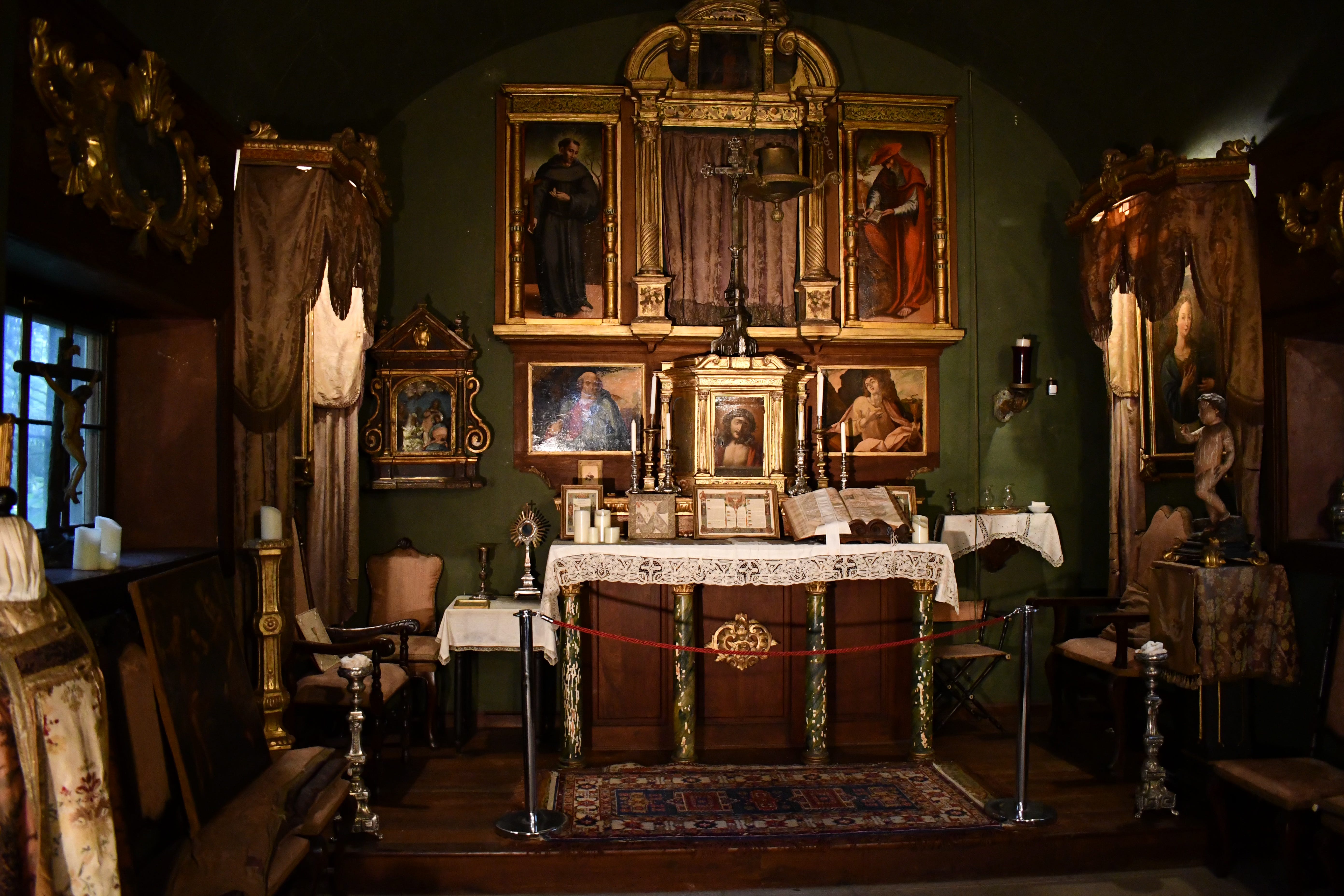
The Boal Estate has been that family’s home for over 200 years, and displays the original furnishings, artwork, and artifacts from around the globe. I found the adjacent small, but imposing, Columbus Chapel more intriguing. It houses what’s said to be the most extensive collection of Christopher-related items in North America, including an Admiral’s Desk, which is believed to have belonged to the famous explorer.
The Matson Museum of Anthropology displays casts of ancient fossil life. Artifacts that highlight various aspects of farming and rural life are on display at the Pasto Agricultural Museum.
Towns and Tourism in Happy Valley, Pennsylvania
To me, tiny towns that are scattered about the area, each with its own character and appeal, are equally varied and inviting. Boalsburg is a walkable community that clings to its quaint village atmosphere. Philipsburg displays ties to the region’s industrial past. Founded in 1795, Bellefonte (pronounced Bell-font) retains much of its original Victorian architecture.
Another magnet for tourism is a diverse list of year-round festivals that appeal to a wide range of interests. From street fair to music fest, farm celebrations to a craft market, they add to the long list of attractions that draw more than five million travelers a year to experience and enjoy what State College and its nearby neighbors have to offer.
For more information, log onto happyvalley.com.

Victor Block retains the travel bug after gallivanting throughout the United States and to more than 75 other countries worldwide and writing about what he sees, does, and learns. He believes travel is the best possible education and claims he still has much to learn. He loves exploring new destinations and cultures, and his stories about them have won numerous writing awards.

.