

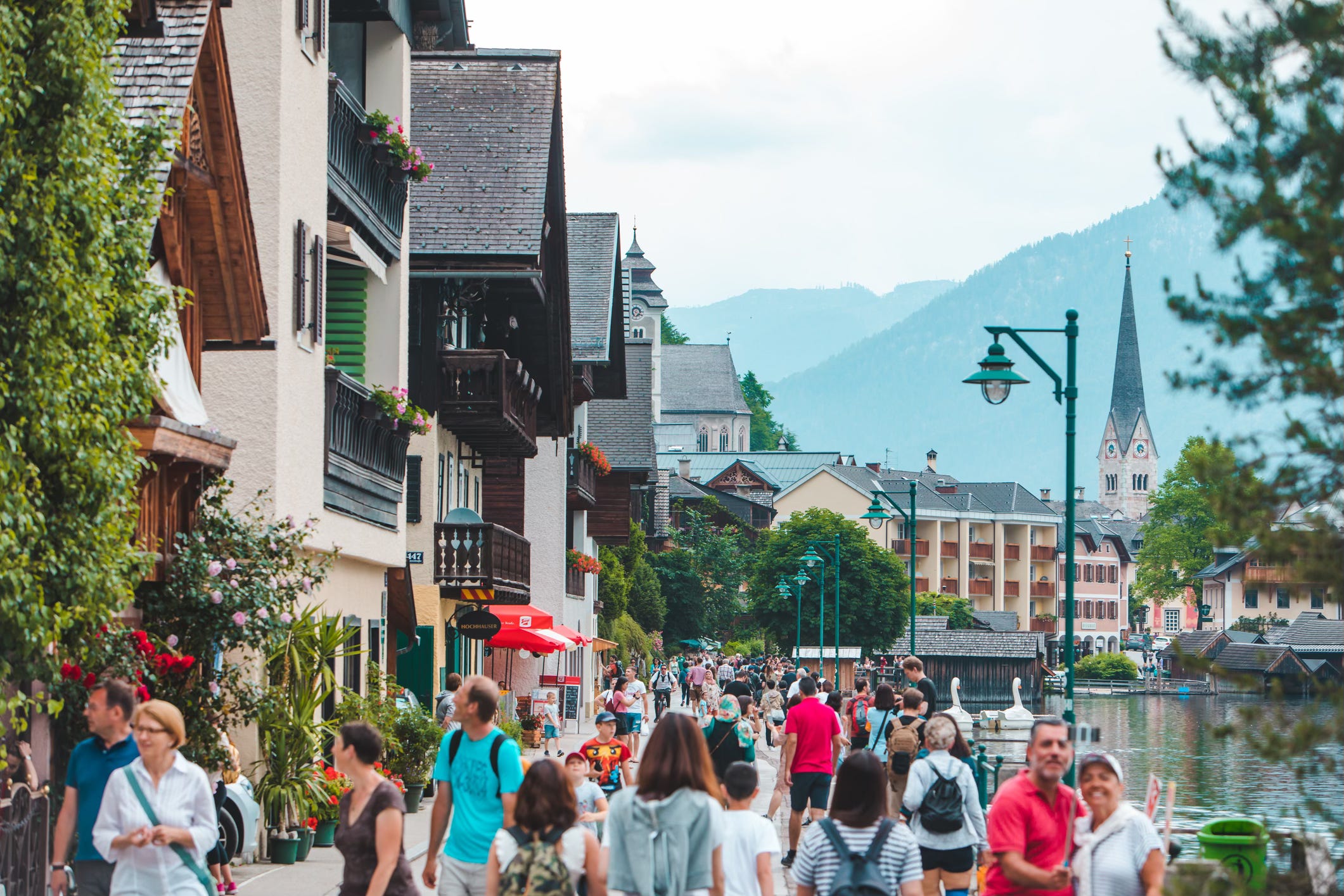
The Austrian lakeside village of Hallstatt—population about 800—has many residents who recently staged a blockade of the town's main entrance. Inhabitants of Venice, Italy, hung protest flags from their home windows. People in Barcelona, Spain, sprayed visitors with water guns. Orkney, Scotland, proposed a plan to limit the number of passenger cruise ships that could dock there each day. These are among the many examples of actions communities around the world have taken to combat what some people call the downside of tourism—or, more specifically, over-tourism.
The negative impacts of over-tourism
That term describes the toll imposed on cities, towns, landscapes, and landmarks worldwide by the large number of travelers who arrive to enjoy what the destinations offer. Last year, an estimated 1.5 billion people took to the roads, seas, and skies in search of an escape from their daily routine. In an ironic twist of fate, the influx of large crowds at popular destinations can greatly detract from the very attractions and appeals that visitors seek.
The UN defines over-tourism.
The United Nations World Tourism Organization has defined over-tourism as when locals, visitors, or both feel it has had an unacceptable negative impact on the quality of life. Among its potentially harmful effects are the displacement of renters by landlords who turn properties into more lucrative holiday leases; exorbitant noise levels; traffic jams; and the replacement of local shops selling basic necessities by stores catering to the needs of tourists.
Tourism also has its upsides
These visitors account for the upsides of tourism. First and foremost, it provides an economic boost to local economies. This includes creating jobs, generating income for businesses, and stimulating growth in the hospitality, retail, and transportation sectors.
The demand for hotels, restaurants, and transportation
All of these areas prompt improvements in local infrastructure and services. The travel industry employs millions of people in hotels, restaurants, tour operations, and other businesses.
In addition, people from around the world come together to learn about each other’s cultures, traditions, and way of life. Tourism also contributes to the protection and preservation oftraditions. And the list goes on.
Efforts to balance the benefits of tourism with any negatives
In an effort to preserve heritage sites and landmarks and to balance the positive effects of visitors with the adverse impacts of excessive visitation, government tourist offices and popular places are taking steps to strike a balance in terms of finances.
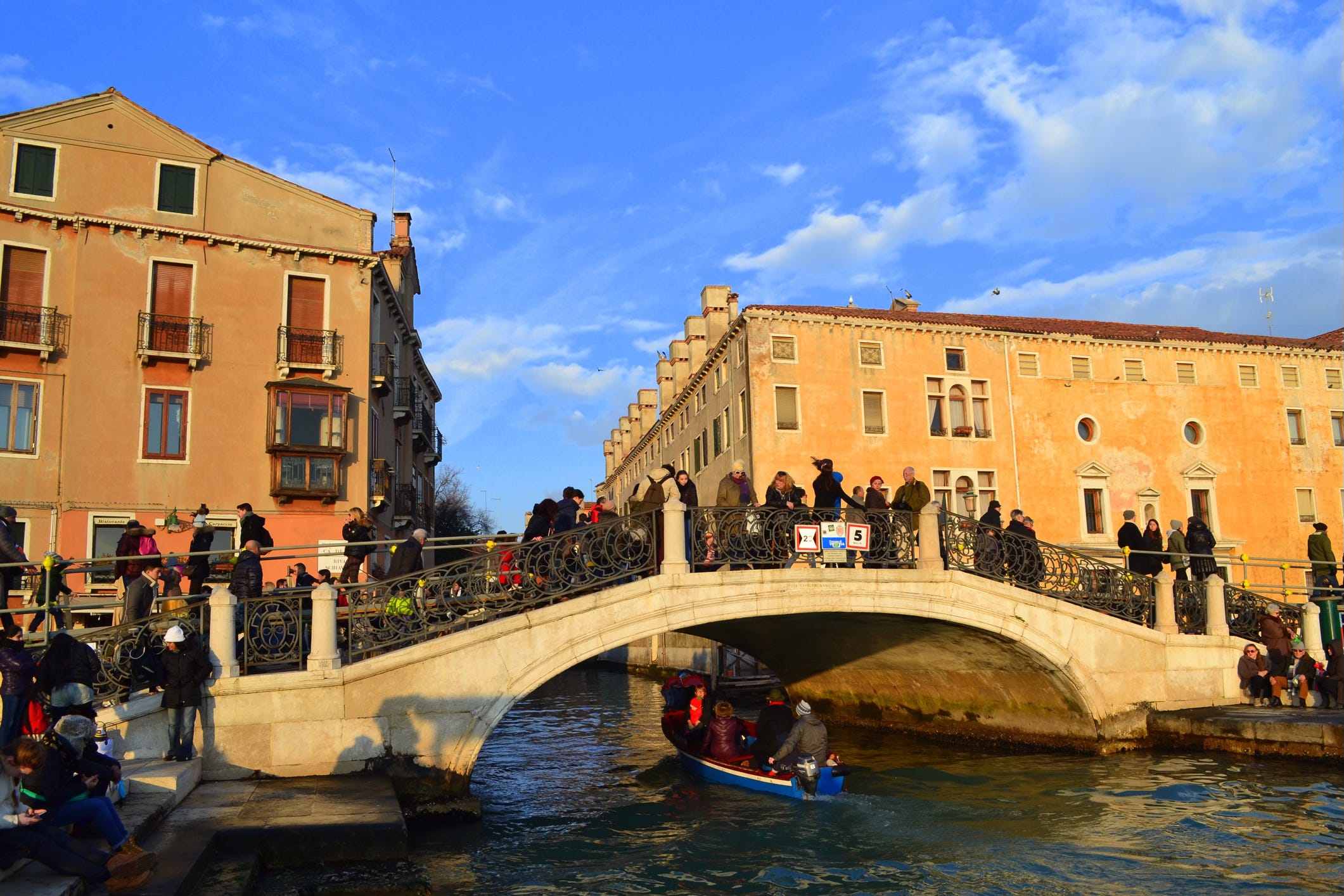
Actions taken in Venice, Amsterdam, and New Zealand to discourage tourism or spread it out in the city.
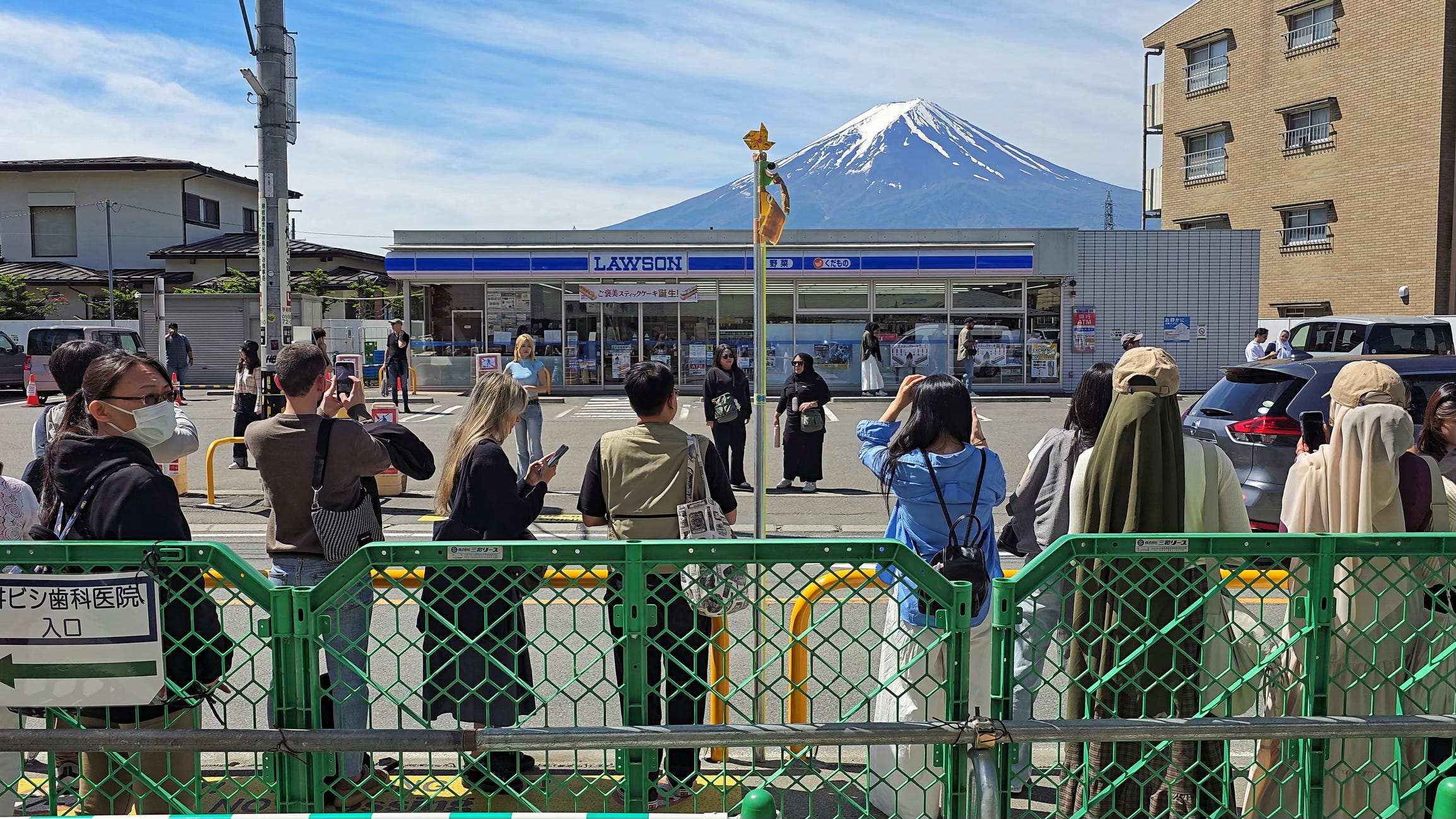
Venice decided to begin charging an entrance fee on the busiest days of the year. New Zealand has imposed a substantial special charge to be paid by visitors. Among non-monetary tactics, barriers have been erected at popular photography locations. These include panoramas near Japan’s Mount Fuji and the Austrian Alps, which block some of the best views.
Amsterdam
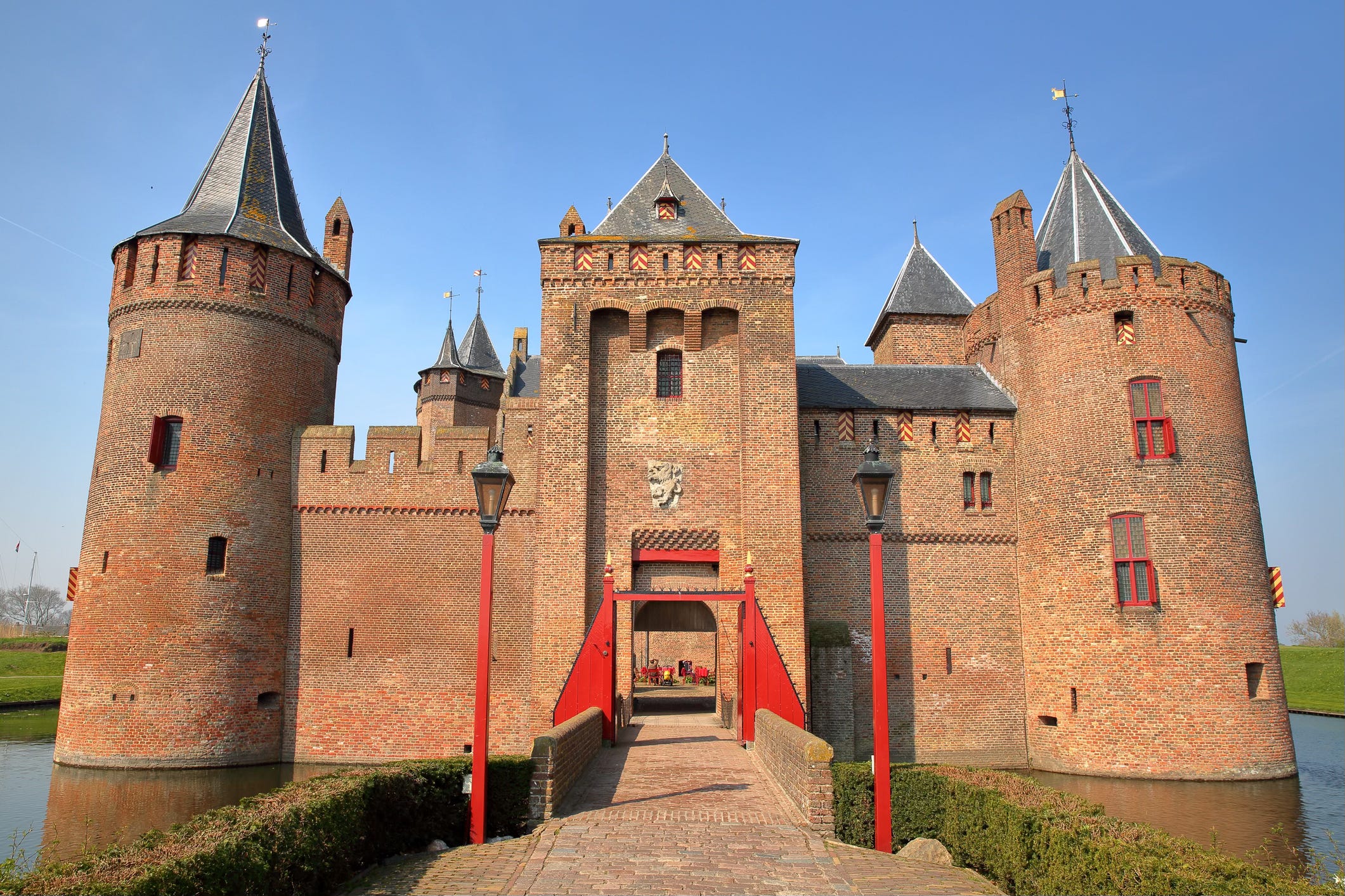
Amsterdam’s tourist maps and booklets have gotten in on the action to cut overcrowding. They have added less-visited sites – an often-overlooked suburban castle, and an artspace in a converted gas works building – to its list of recommended attractions.
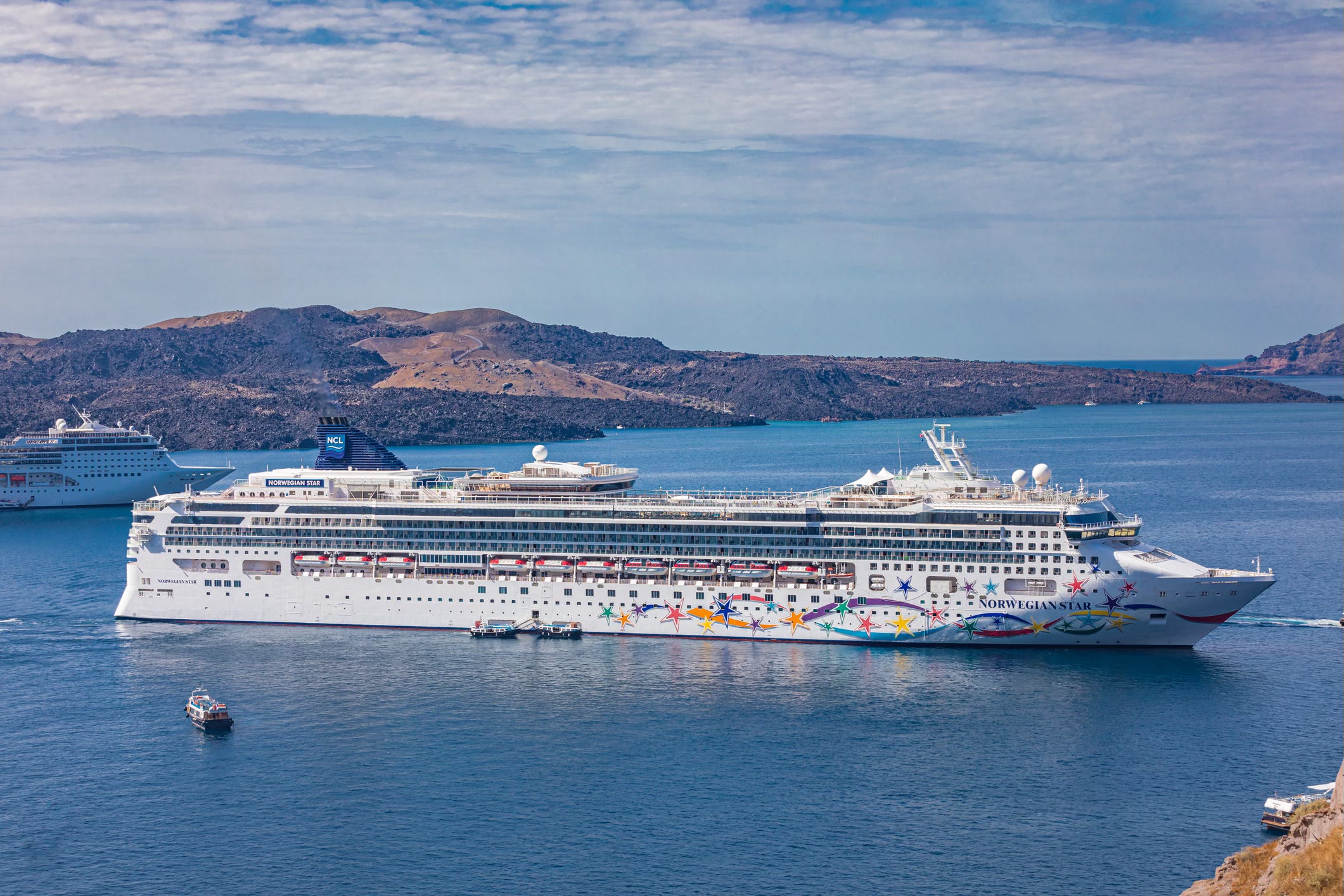
Santorini’s efforts
The popular Greek island of Santorini, whose environment was being threatened by an onslaught of sightseers, capped the number of people who could arrive each day by cruise ship. It also gave top priority to the most sustainable, environmentally friendly passenger vessels.
Too much of a good thing can bring tourism, and bad PR can lead to a drop in tourists and profits.
These efforts, and others, seek to balance the financial, cultural, and other benefits of cross-border center-based tourism with potential negative impacts.
For the traveler, visiting destinations that have implemented programs designed to accentuate the positive and mitigate negative effects as much as possible can foster a sense of doing good while enjoying themselves.
