

In February 1926, a Black historian, journalist, and author named Carter Godwin Woodson launched the celebration of “Negro History Week.” Fifty years later, President Gerald Ford proclaimed Black History Month, asking Americans “to honor the too-often neglected accomplishments of Black Americans in every area of endeavor throughout our history.”
In 2026, people throughout the United States will commemorate the 250th anniversary of the country’s independence. States and cities, museums, and libraries will host special exhibitions. Other places will be the sites of programs to recognize and recall that momentous occasion and the role of Black history, life, and culture in the nation’s and the world’s story.
The specific programs will vary widely, as will the contributions and causes of Africans and people of African descent. These events take on added importance at a time when some efforts are underway to ban books and excise them from the country’s schools, libraries, and public culture. Despite differences among projects, they share a common goal.
Black History Month Surprises
Some offer up enticing surprises. For example, many people are unaware that Brooklyn, New York — which stood firmly with the North’s Union states in the Civil War era — had significant ties to slavery. An exhibit in that borough has exposed that painful chapter of the past.
Boston’s Museum of African American History tells the story of men and women who changed the course of America’s past in the 18th and 19th centuries. The Black Heritage Trail explores the history of the city’s Black community in the 1800s, including the Underground Railroad, the abolition movement, and the early struggles for civil rights.
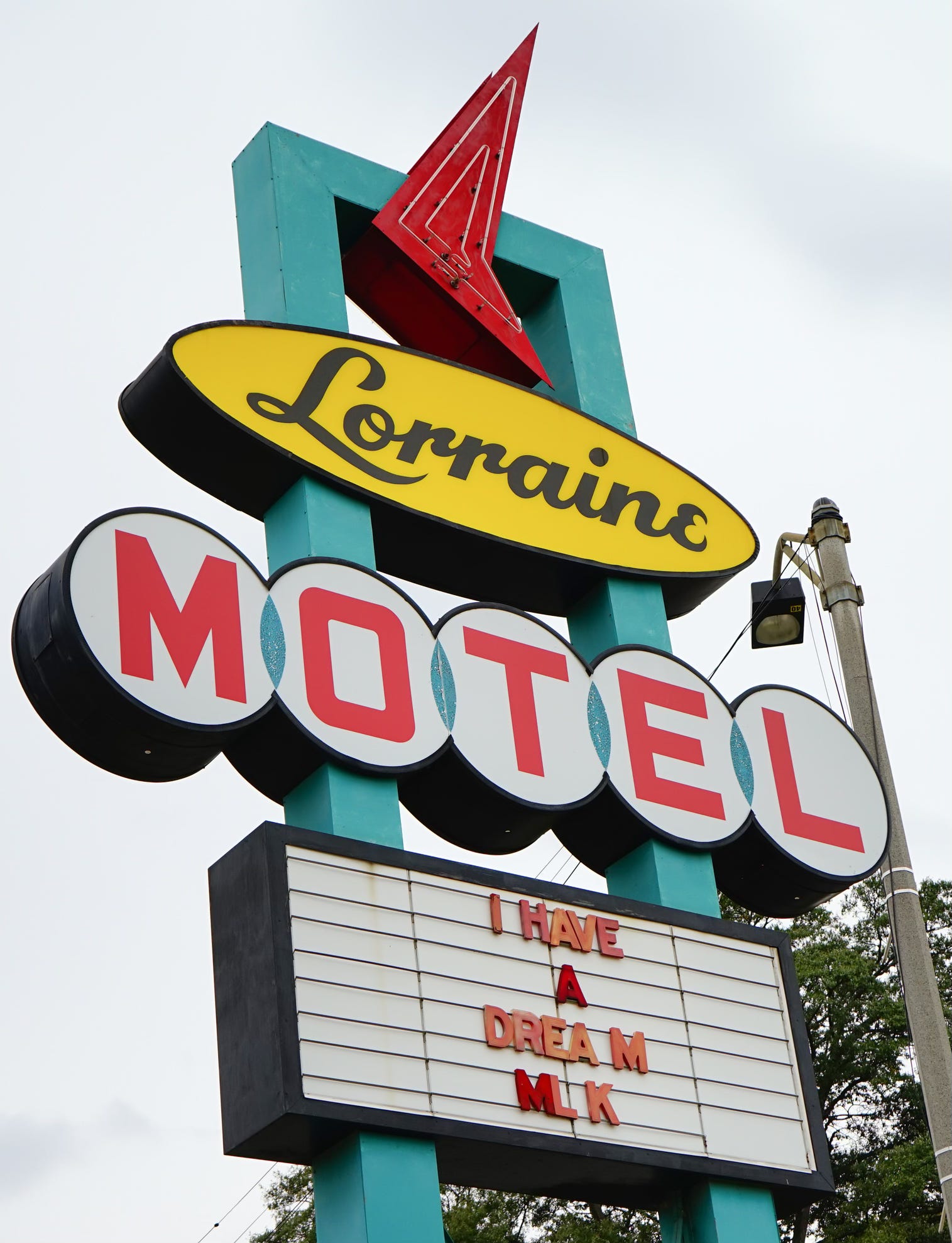
Atlanta, Georgia, was home to many civil rights leaders. The Martin Luther King, Jr. National Historical Park, which includes several sites related to King’s life and work. He was assassinated at the Lorraine Motel in 1968 while leaning over a balcony railing, speaking with Reverend Jesse Jackson.
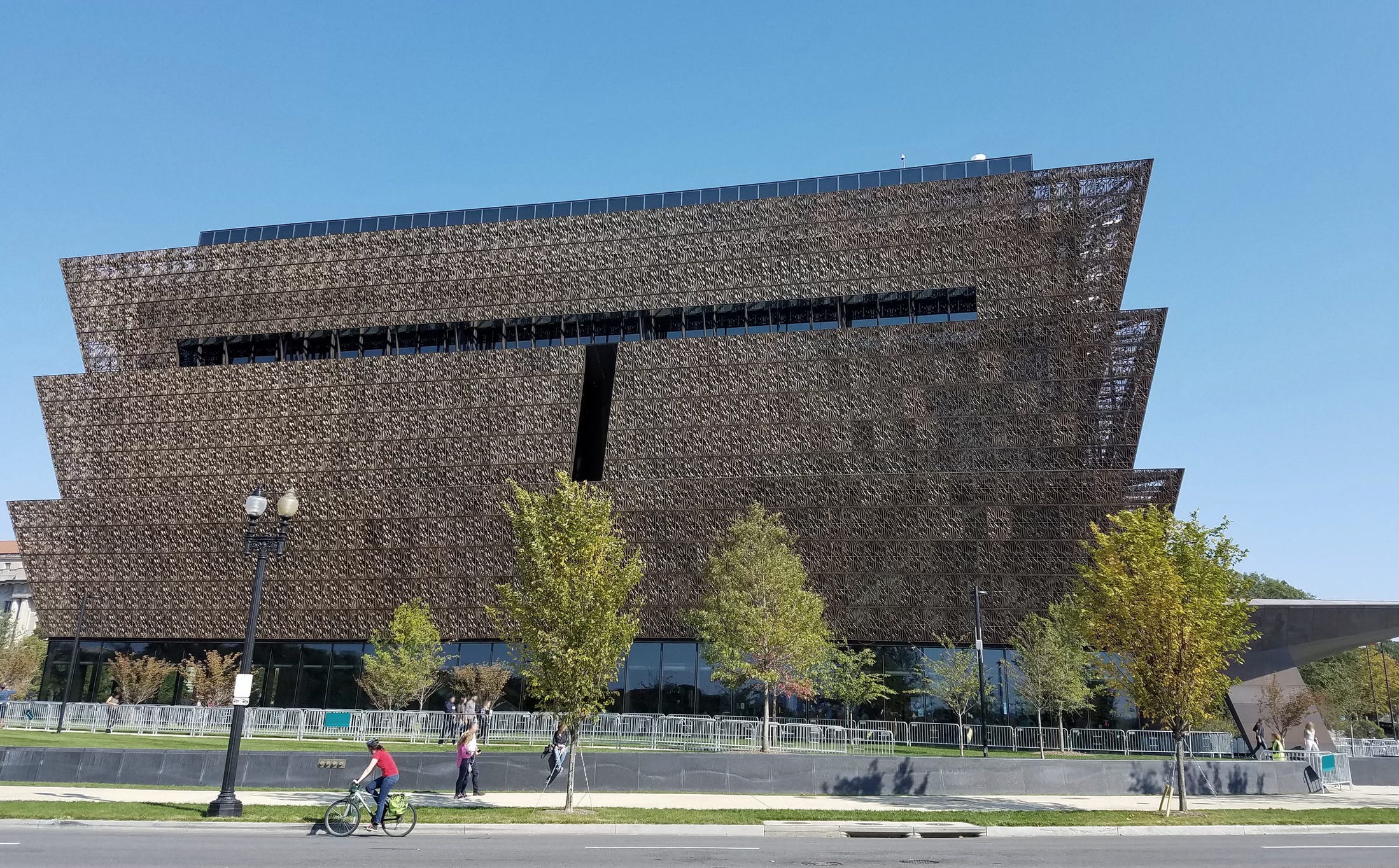
Washington, DC, is a treasure trove of museums that highlight the role Black citizens played in U.S. history. The centerpiece is the National Museum of African American History and Culture, which is part of the Smithsonian Institution. The museum’s collection includes more than 40,000 objects, not all of which are on display.
Detroit is another center of African-American lore. It was home to some of the largest hiding places, called “stations,” along the Underground Railroad route followed by people fleeing slavery to freedom in the North. Exhibits in the Charles H. Wright Museum of African-American History includes the reproduction of a slave ship with life-size sculptures of people in shackles, as well as more uplifting exhibits like a case displaying products of Black inventors.
Celebrating Black History Month in Small Towns
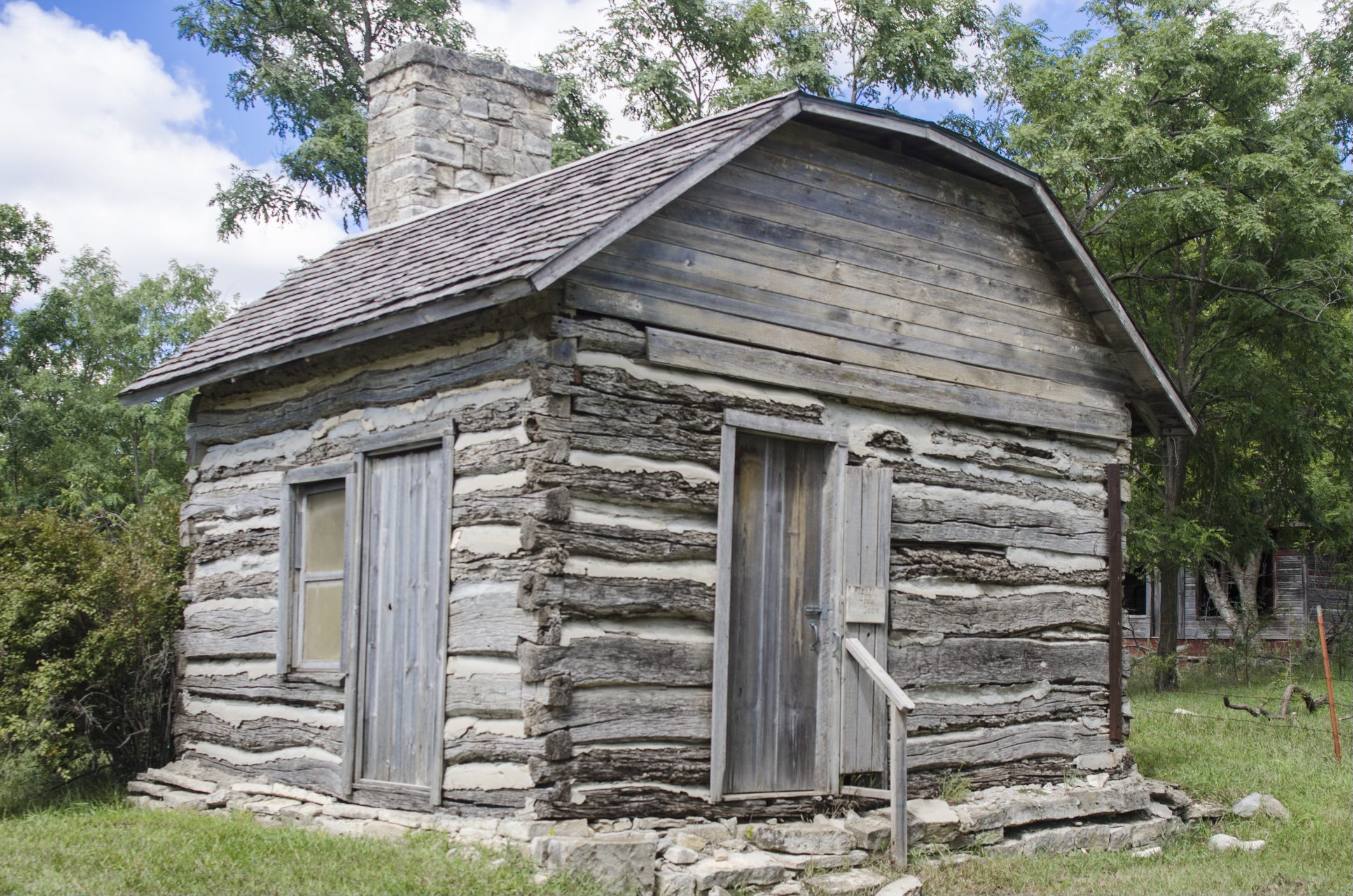
Some small towns also pay homage to pages of African-American history. Memories of the Civil War are evoked around Winchester, Virginia (population about 27,000). The Star Fort was built by Union troops in 1863 at a place where a Confederate artillery emplacement stood. The house that served as Stonewall Jackson’s headquarters contains his prayer table, initialed prayer book, and other personal and family artifacts.
People and Places that played Big Roles in Black History
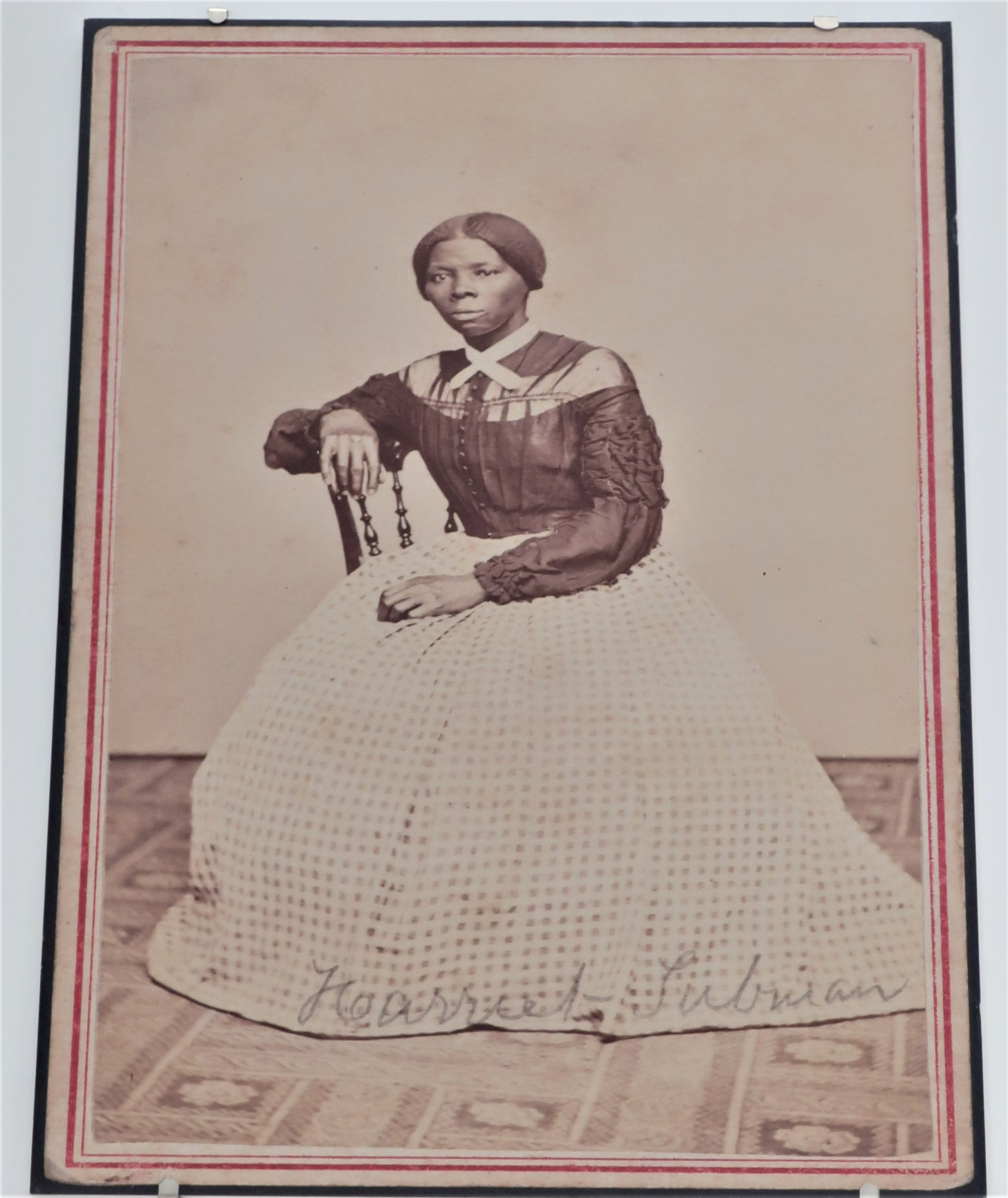
Any discussion of Black heroes must include Harriet Tubman, the abolitionist who, after escaping slavery, led dozens of other enslaved people to freedom. She used a network of antislavery activists and “safe houses” along the Underground Railroad route. In 1863, Tubman led an expedition of African-American soldiers in South Carolina, which rescued more than 750 former slaves.
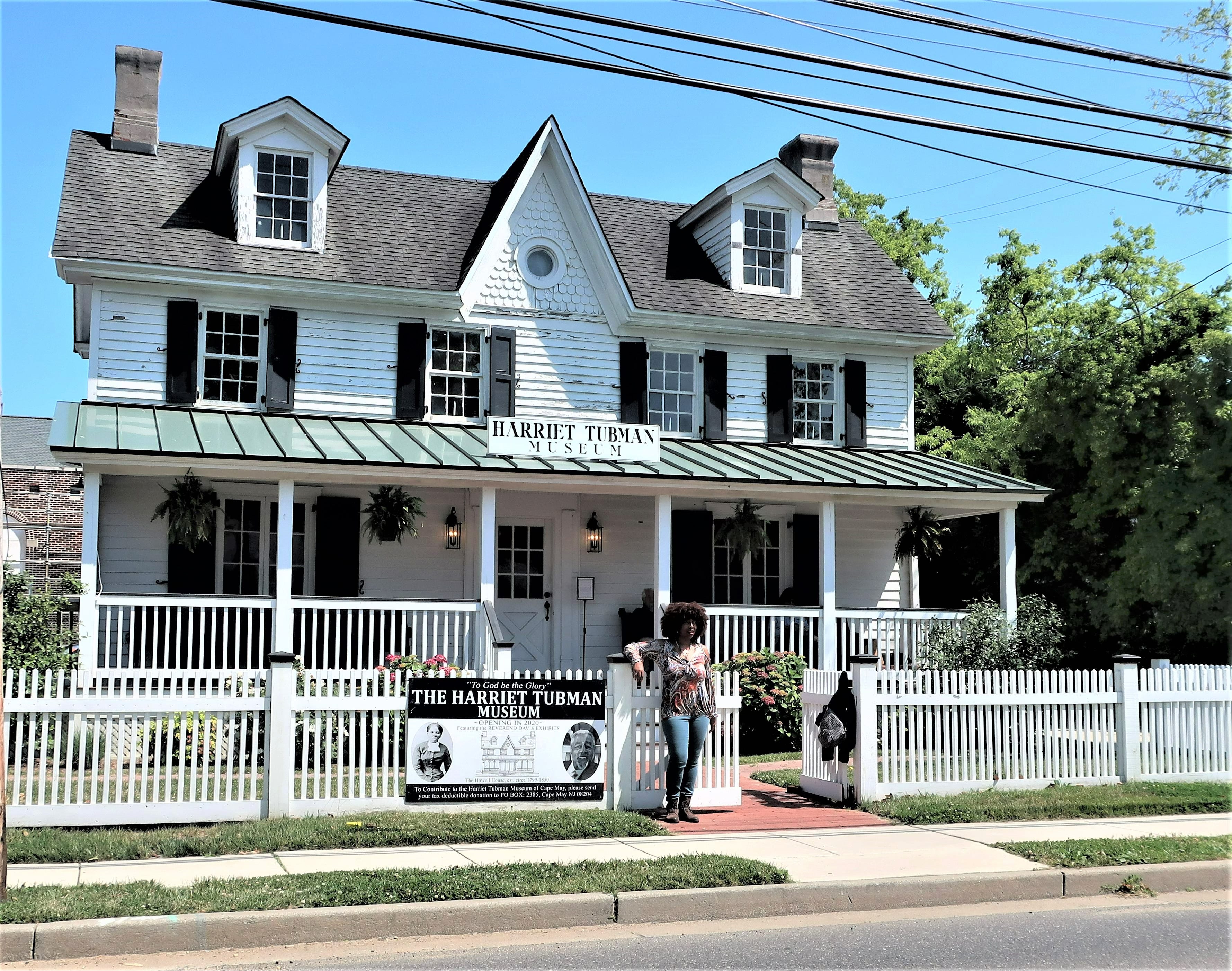
Places associated with this remarkable woman are scattered far and wide. Among exhibits at the Harriet Tubman Museum in Cape May, New Jersey, are African masks, metal shackles used on enslaved people, and vintage photos. I was intrigued by Harriet’s quote that “I was conductor of the Underground Railroad for eight years, and I can say what most conductors can’t say – that I never ran my train off the track and I never lost a passenger.”

Victor Block retains the travel bug after gallivanting throughout the United States and to more than 75 other countries worldwide and writing about what he sees, does, and learns. He believes travel is the best possible education and claims he still has much to learn. He loves exploring new destinations and cultures, and his stories about them have won numerous writing awards.
