

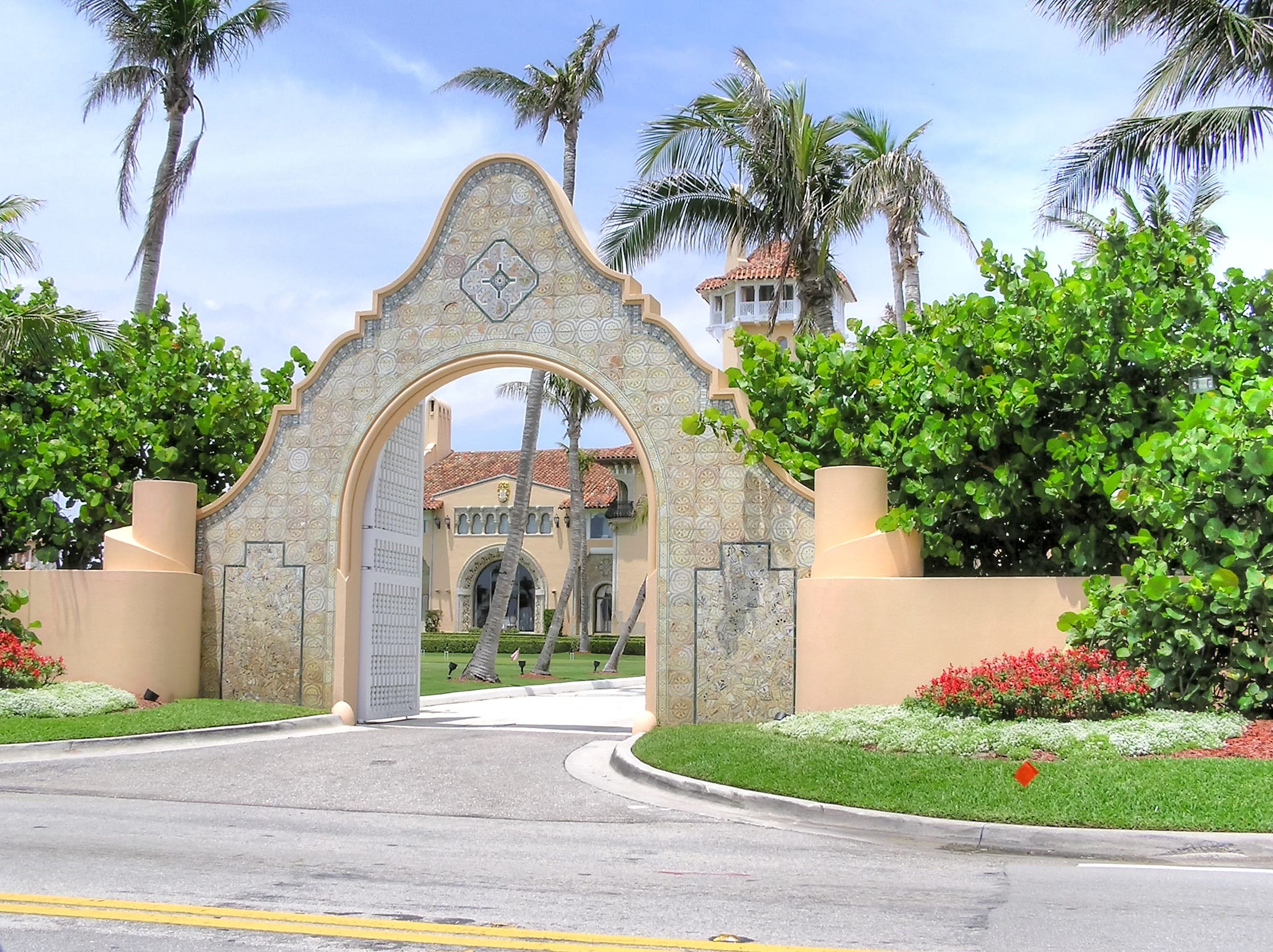
The sun was shining, traffic was light and there was no indication that I was passing through anything other than an ordinary neighborhood.
Suddenly, everything changed. Police cars were everywhere: Slowly patrolling the streets, parked along the sidewalks, and driving into and out of a gated community. A bevy of police officers crowded the pavement and spilled out into the narrow road I was following.
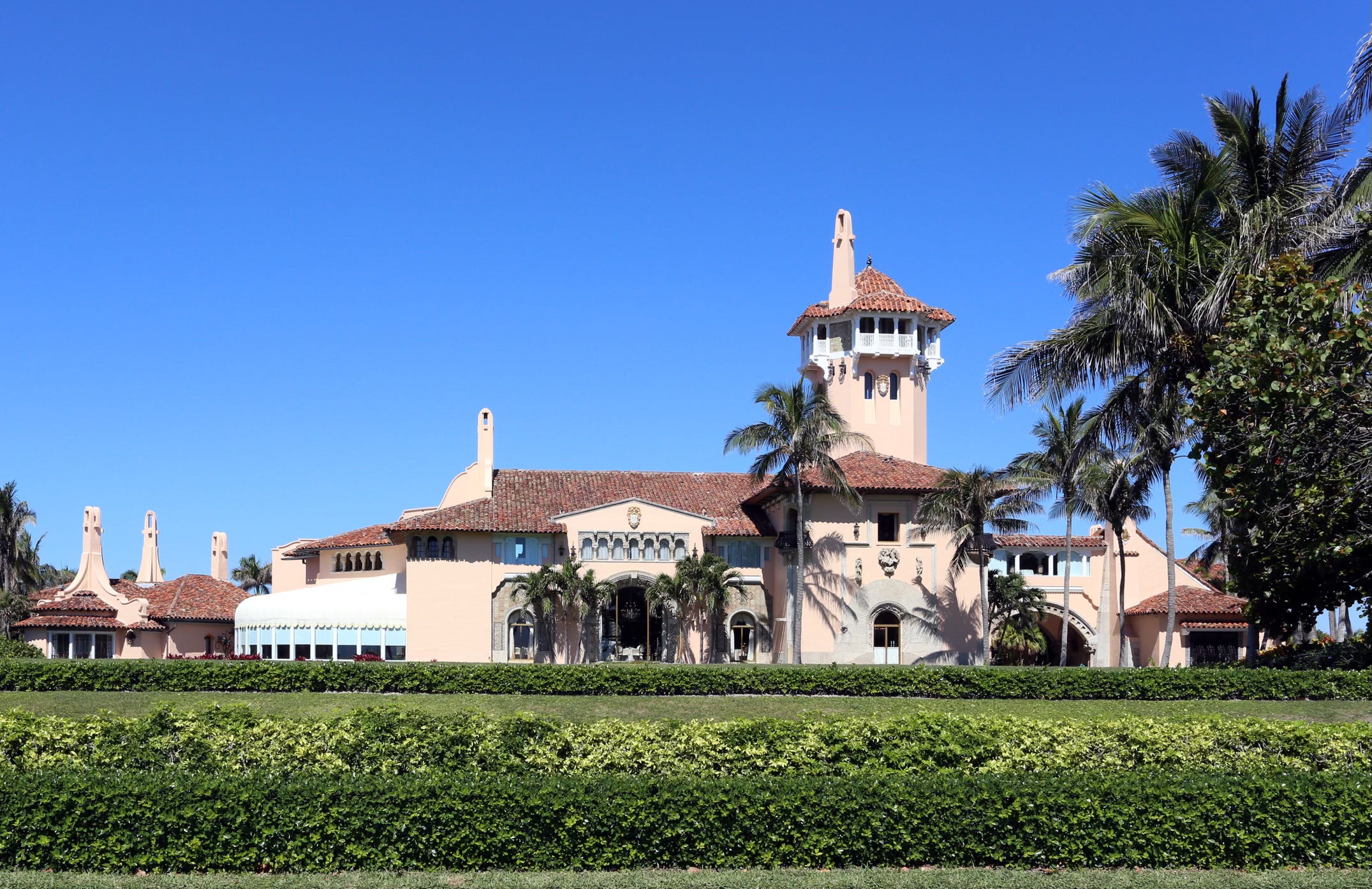
Mar-a-Lago has an intriguing history
Welcome to Mar-a-Lago, a lavish estate with a storied history, now best known as the home of Donald J. Trump.
That ornate estate, built between 1924 and 1927 for successful businesswoman and leading society figure Marjorie Merriweather Post.
Nestled on a barrier island in Palm Beach, Florida, it was acquired in 1985 by Donald Trump, then a businessman and real estate investor, who used it as his residence.
Ten years later, he converted it into the Mar-a-Lago Club, an exclusive members-only institution with guest rooms, a spa, and other hotel-style amenities. When they are there, members of the Trump family stay in private quarters nestled in a closed-off area of the grounds.
During his first presidency, Trump visited Mar-a-Lago frequently and held meetings there with international leaders like Japanese Prime Minister Shinzo Abe and Chinese President Xi Jinping.
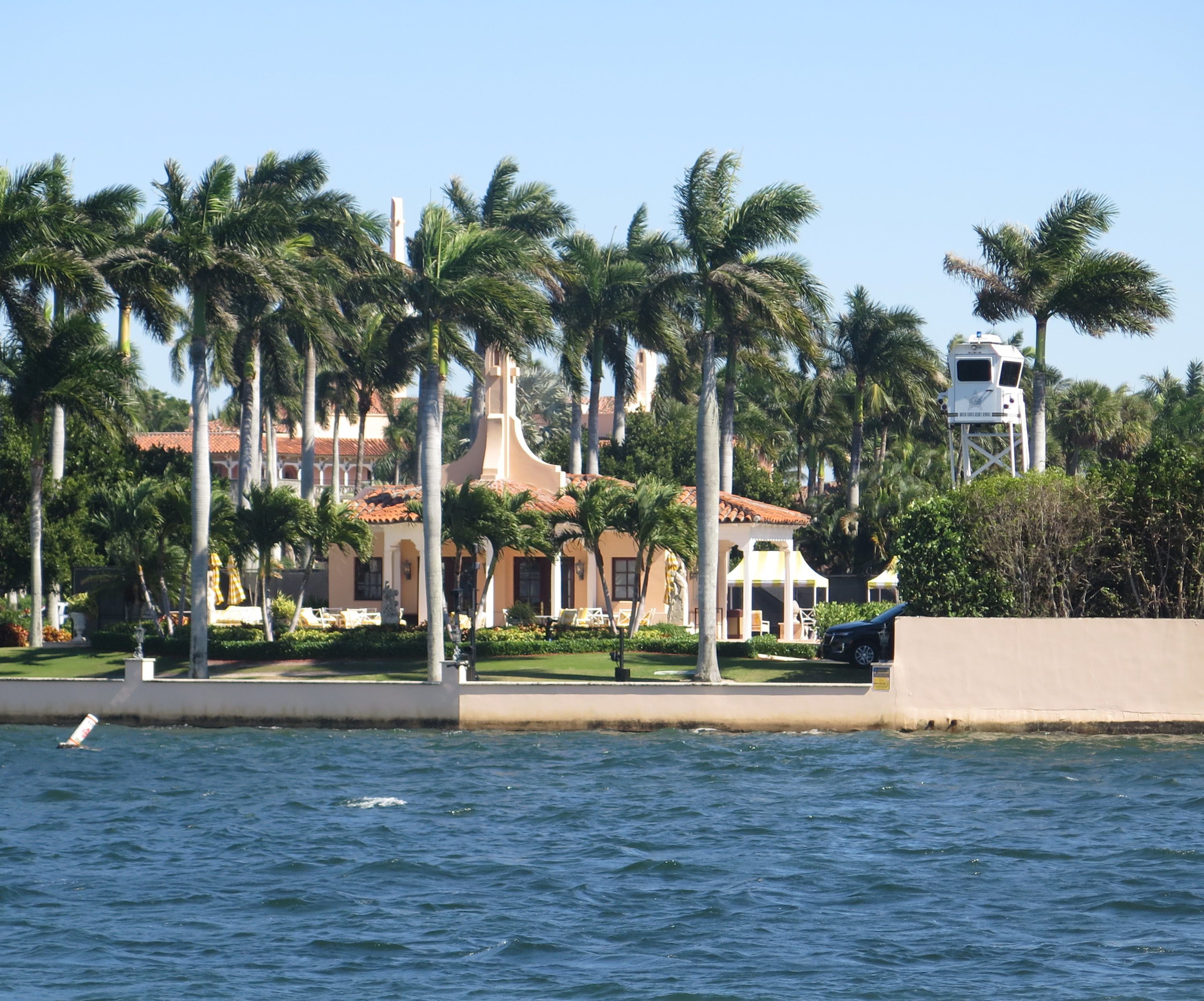
Mar-a-Lago is nestled between a lagoon and the Atlantic Ocean
The name Mar-a-Lago means “sea to lake” in Spanish. It refers to the estate extending from one side of Palm Beach Island to the other, touching the Atlantic Ocean on the east and the Lake Worth Lagoon on the west. The property is said to span 126 rooms and extend over an acre and a half.
In 1969, Mar-a-Lago was designated a national historic site. A report prepared by the Department of the Interior explained that it provides an excellent picture of winter resort life in Palm Beach prior to the Depression.”
Ms. Post, who died in 1973, willed the estate to the United States government to serve as a Winter White House for presidents and visiting foreign dignitaries, but most of them preferred other residences. The property was declared a National Historic Landmark in 1980 because it exemplified the baronial way of life of the wealthy who built mansions in Florida during the Florida land boom of the 1920s.

What it’s like to live near Mar-a-Lago
I asked several residents of the area what it was like to live near such a legendary property which is visited by heads of state, leading political figures and other well-known dignitaries. The response of most of them was surprising. In essence, a big yawn.
“We don’t usually know who’s there,” one youngish man told me. “All it means for locals is traffic jams,” a sixty-something woman explained.
“I voted for Trump but if I’d known how much his being president would mess up traffic here, I would have voted differently,” admitted a well-dressed gentleman.
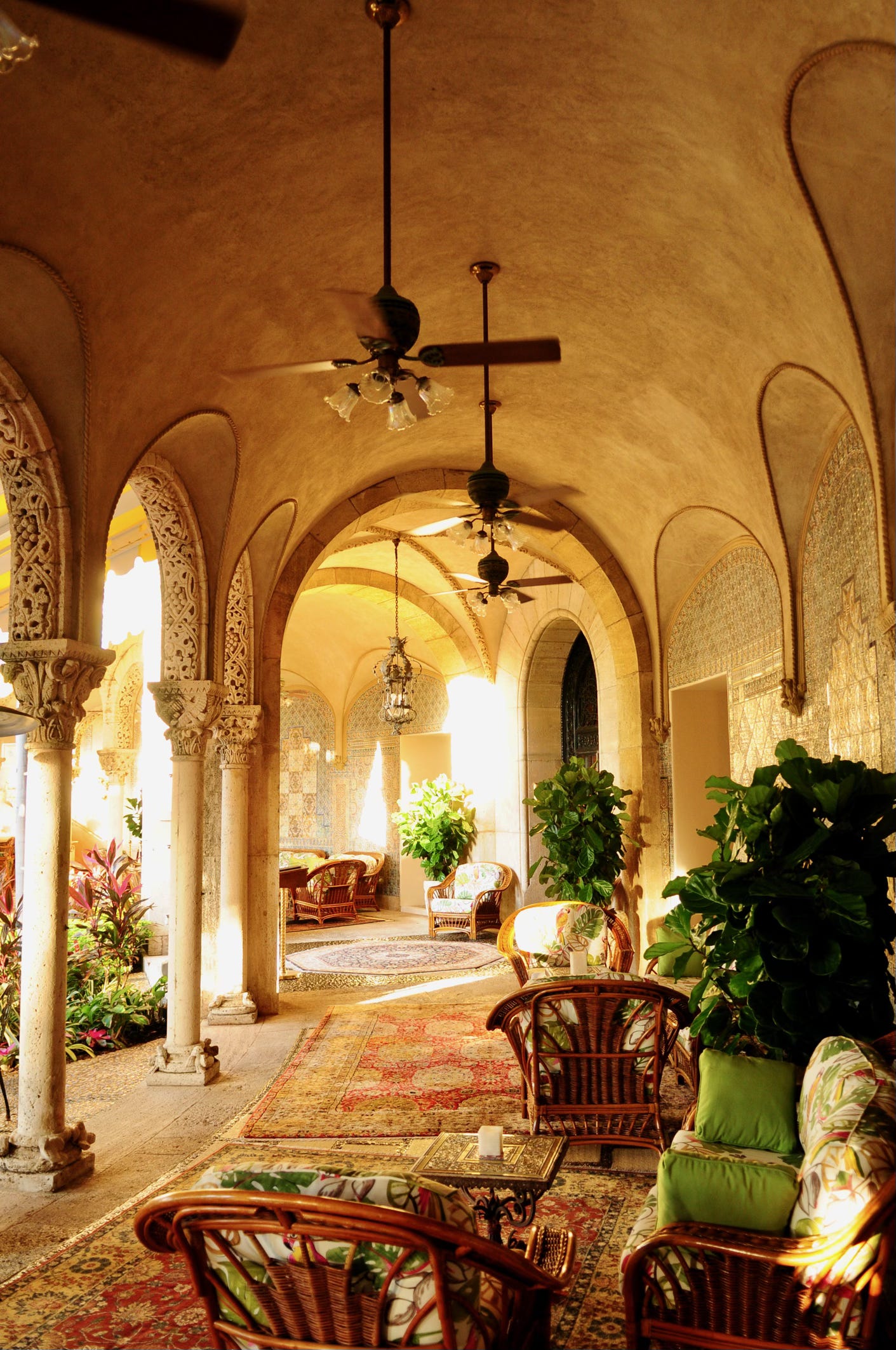
Palm Beach offers a something-for-everyone variety
For visitors to the Palm Beach area, Mar-a-Lago can offer an intriguing diversion from the sun, sand and surf attractions for which the destination is best known. These include Worth Avenue, a shopper’s dream, which is lined by upscale boutiques and designer stores offering everything haute couture to unique art galleries.
Waterfront settings offer a choice of inviting stretches of sand fronting deep blue water. Golfers face a choice of 100 public, municipal and private courses, including six at the PGA National Resort.
History buffs and culture lovers will appreciate Palm Beach’s legacy of luxury and splendor, with must-see spots like the Henry Morrison Flagler Museum, the historic Breakers Palm Beach hotel, and the Society of the Four Arts, which encompasses an art gallery, concert hall, two libraries, and gardens.
Mar-a-Lago adds a unique touch that combines historical tidbits, opulent architecture, and a lovely semi-tropical setting. In addition, if you’re lucky, or unlucky, depending upon your politics, you have an opportunity to see a motorcade leave or arrive, which includes a car transporting the president of the United States.

Victor Block retains the travel bug after gallivanting throughout the United States and to more than 75 other countries worldwide and writing about what he sees, does, and learns. He believes travel is the best possible education and claims he still has much to learn. He loves exploring new destinations and cultures, and his stories about them have won numerous writing awards.

.